
Quick answer
Lash lift vs lash extensions comes down to one question: do you want to change the lashes you have, or add to them? A lash lift curls your own lashes with a chemical lotion; the American Academy of Ophthalmology (AAO) says results last about six to eight weeks. Lash extensions are synthetic fibres bonded to your natural lashes, adding length, curl and fullness, with refills to keep the look.
Neither is risk-free, and our Woodbridge studio offers hybrid, volume and mega volume lash extensions but not lash lifts or tints.
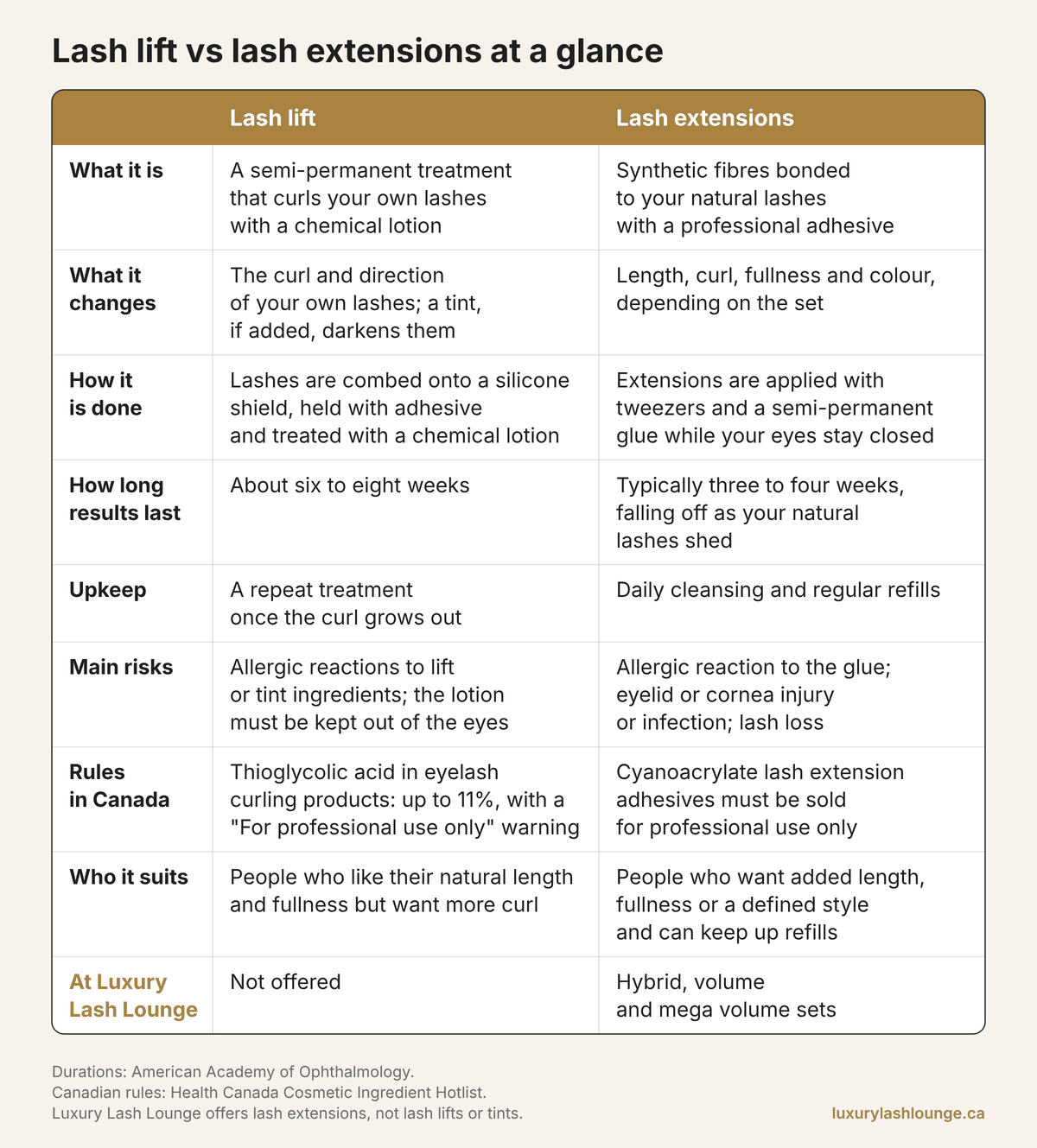
Lash lift vs lash extensions at a glance
A lash lift works only with your own lashes, while lash extensions add fibres to them. Almost every other difference, from upkeep to safety, follows from that.
| Lash lift | Lash extensions | |
|---|---|---|
| What it is | A semi-permanent treatment that curls your own lashes with a chemical lotion | Synthetic fibres bonded to your natural lashes with a professional adhesive |
| What it changes | The curl and direction of your own lashes; a tint, if added, darkens them | Length, curl, fullness and colour, depending on the set |
| How it is done | Lashes are combed onto a silicone shield, held with adhesive and treated with a chemical lotion | Extensions are applied with tweezers and a semi-permanent glue while your eyes stay closed |
| How long results last | About six to eight weeks | Typically three to four weeks, falling off as your natural lashes shed |
| Upkeep | A repeat treatment once the curl grows out | Daily cleansing and regular refills |
| Main risks | Allergic reactions to lift or tint ingredients; the lotion must be kept out of the eyes | Allergic reaction to the glue; eyelid or cornea injury or infection; lash loss |
| Rules in Canada | Thioglycolic acid in eyelash curling products: up to 11%, with a "For professional use only" warning | Cyanoacrylate lash extension adhesives must be sold for professional use only |
| Who it suits | People who like their natural length and fullness but want more curl | People who want added length, fullness or a defined style and can keep up refills |
| At Luxury Lash Lounge | Not offered | Hybrid, volume and mega volume sets |
Durations are from the AAO's articles on eyelash enhancements and eyelash extension safety. The rules are from Health Canada's Cosmetic Ingredient Hotlist.
What is a lash lift?
A lash lift is a cosmetic treatment that reshapes your natural lashes so they curl upward for several weeks. Nothing is added: it changes the shape of the lashes you already have.
We don't offer lash lifts or tints, so this section relies on the sources linked here, not on our own appointments.
How a lash lift is done, in general
Methods and products vary by provider, but the AAO outlines the main steps:
- Your lashes are combed onto a silicone shield.
- An adhesive holds them in place on the shield.
- A chemical lotion is applied "to break down the protein in each eyelash and encourage it to grow upward instead of outward," in the AAO's words.
- A tint is often combined with the lift.
The AAO says the results last about six to eight weeks. Because a lift also uses an adhesive, tell any lift provider if you have reacted to lash glue before, and ask what their adhesive contains.
What is in lash lift lotion?
Formulas vary between products. In Canada, Health Canada's Cosmetic Ingredient Hotlist restricts thioglycolic acid and its salts. In eyelash curling products, they are allowed up to 11% (as thioglycolic acid), at a pH of 9.5 or lower.
Those products must carry warnings, including "For professional use only" and to avoid direct skin contact and wear suitable gloves. They must also warn against eye contact, and say to rinse immediately with plenty of water and seek medical attention if it happens.
The Hotlist's list of prohibited ingredients also includes thioglycolic acid esters, naming glyceryl thioglycolate and isooctyl thioglycolate. If a provider offers you a lift, it is fair to ask what their solutions contain.
Lash lift vs lash perm
A lash perm and a lash lift both use chemicals to reshape your natural lashes, but the AAO describes different methods.
In a perm, the lashes are coated with an adhesive and curled around rollers. Chemical solutions are then applied to create a long-lasting curl. The AAO says a perm takes about 45 minutes and lasts one to two months.
In a lift, the lashes are combed onto a silicone shield instead. Neither treatment adds length or extra lashes.
Lash lift and tint vs extensions: what the tint adds
A lash tint is a semi-permanent dye painted onto the lashes. The AAO describes a 15-minute procedure that makes lashes "appear thicker, darker and fuller," with colour that lasts about three to six weeks.
A lift and tint together change the curl and colour of your own lashes. They still add no length or extra lashes, and that is the real difference from extensions. Tint safety is covered below.
Lash extensions, in brief
Lash extensions are synthetic fibres attached to your natural lashes to add length, curl and fullness. Each extension, or each fan of extensions, is bonded to a single natural lash, not to your skin.
The AAO says a technician applies extensions with tweezers and a semi-permanent glue while your eyes stay closed. Health Canada's eye cosmetics guidance warns that the glue "may bond your eyelids instantly." It says your eyes must be protected and immobilized during application, and that the person applying the extensions should be a trained professional.
Health Canada's Hotlist also says cyanoacrylate adhesives for eyelash extensions must be sold for professional use only. Our own lash extension glue is for trained lash professionals only, not for home use.
Sets come in different types. Classic sets place one extension on each natural lash, volume sets use fans of several very fine extensions, and hybrid sets mix the two. Mega volume sets use big fans, which we make with 0.03 mm lashes, the finest we carry.
Our studio offers hybrid, volume and mega volume sets, but not classic. Our guide to the types of lash extensions compares every type.
The AAO lists three extension materials: synthetic, silk and mink. The lashes we use and sell are made of Korean PBT fibre.
New to extensions? Our guide to what lash extensions are explains how they are applied and what to expect at a first appointment.
The look: curl, length and fullness
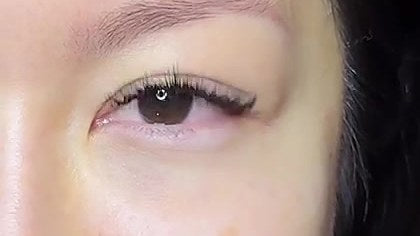
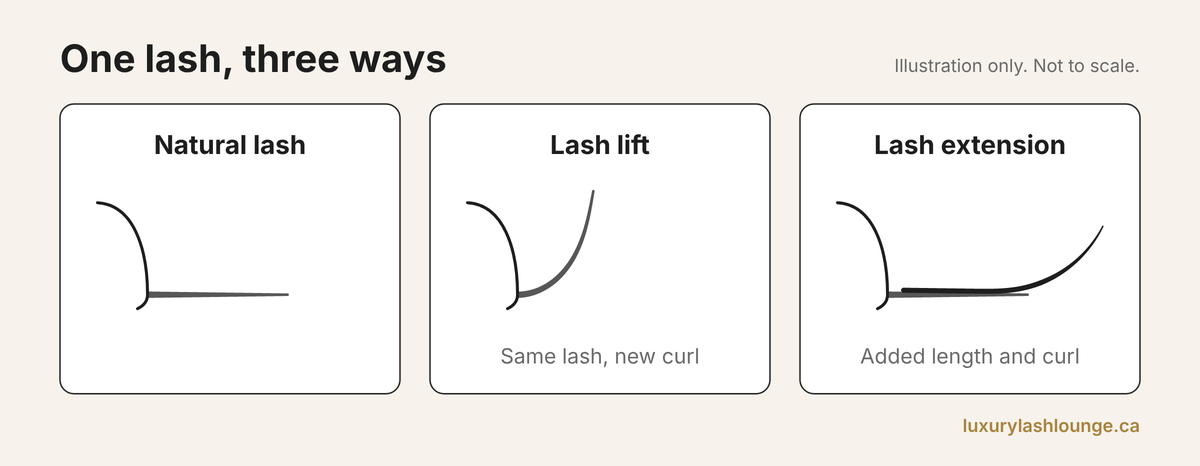
A lift can only reshape the lashes you have, so your result depends on your natural length and density. Extensions let you choose the curl, length and fullness, within the limits of what your natural lashes can support.
What a lash lift can and cannot change
A lift can:
- turn straight lashes upward, which the AAO says the lotion is meant to encourage
- make lashes look darker and fuller when it is paired with a tint
A lift cannot:
- make your lashes longer than they are
- add lashes where yours are sparse or gappy
- change the shape of your lash line beyond what your own lashes allow
Curl, length and thickness with extensions
With extensions, each choice can be tailored to your eyes:
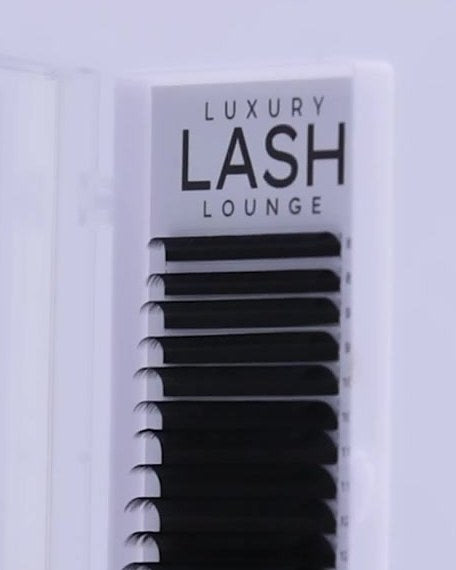
- Curl. Our mixed length trays come in C, CC, D and L curl. In Alessia's words, C curl gives a more natural look, and D curl is the most popular with lash techs: "a universal curl that looks good on everyone." Our lash curl chart shows each shape.
- Length. Our mixed length trays hold 8 to 15 mm on one tray, with 2 rows of each length. Our single length D curl trays go up to 19 mm.
- Thickness. 0.15 mm is a classic thickness, used one extension per natural lash. Finer 0.05 mm and 0.03 mm lashes are used to make fans for volume and mega volume sets.
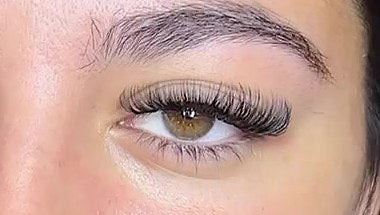
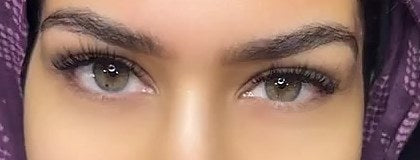
- Fullness. A hybrid set gives a fuller look than your natural lashes without the bold, dark look of volume. Volume gives a denser, fluffier lash line, and mega volume a very dramatic, voluminous set.
- Style. The lash extension styles Alessia does are natural, open eye (doll eye), cat eye, fox eye, wispy, wet look and strip lash.
Most lash techs match the length and weight of a set to your natural lashes. That matters for safety: the AAO's EyeWiki lists traction alopecia, the loss of natural lashes from the pull of synthetic ones, among known complications. Lash techs can see every curl, length and thickness we stock in our lash extension trays collection.
How long each lasts and the upkeep
The AAO says lash lift results last about six to eight weeks, and tint colour about three to six weeks. Extensions typically last three to four weeks, falling off as your natural lashes shed, so keeping a full set means booking refills.
Lash lift upkeep
A lift has no fibres to look after, but it doesn't last forever. Results fade as your natural lashes shed and grow, so keeping the look means repeating the treatment.
Ask your provider how often they recommend a repeat. The AAO notes that people can develop sensitivities with repeated exposure, so mention any reaction, however mild, before each treatment.
Lash extension upkeep and refills
A refill replaces the extensions that have shed with your natural lashes. At our studio, at least 40% of your extensions must remain for a visit to count as a refill. Less than that is charged as a full set.
Refills are $65 for hybrid, $70 for volume and $80 for mega volume, in Canadian dollars (CAD). We don't refill another lash technician's work.
Between refills, Alessia recommends washing your lashes ideally every day with an oil-free cleanser. Our guide to how long lash extensions last explains refill timing and the lash growth cycle.
Which is safer, a lash lift or lash extensions?
Neither is risk-free, and we could not find a study comparing the two directly. Both put adhesive and chemicals near your eyes, so choose a trained professional and share your allergy and eye history.
This is general information, not medical advice, drawn from ophthalmologists, Health Canada and published research.
The known risks of a lash lift and tint
According to AAO spokesperson Purnima Patel, MD, eyebrow and eyelash enhancements "pose health dangers because they are so close to the eye" and could affect vision. She also warns that people can develop sensitivities with repeated exposure.
The same AAO article adds that formulations may change over time. It also says you can react even to a treatment you tolerated before, so one smooth lift doesn't guarantee the next.
Allergic reactions to lift products have been reported. In a single UK case, published in 2026 as a conference abstract in the British Journal of Dermatology, a 20-year-old woman had marked redness and swelling around both eyes. It began within 24 hours of a lash lift and tint.
Patch testing showed sensitization to three kinds of allergen. The authors linked para-phenylenediamine (PPD) to the tint, the thioglycolate glyceryl monothioglycolate (GMTG) to the lifting solution, and several (meth)acrylates to eyelash adhesive, fixing and laminating products. One case can't show how common this is, but it does show that a single lift and tint can involve several possible allergens.
Tints carry their own warnings. The US Food and Drug Administration (FDA) says permanent eyelash and eyebrow tints and dyes "have been known to cause serious eye injuries, including blindness." A 2019 review of eyelid cosmetic enhancements found allergic contact dermatitis was the most common adverse effect reported after eyelash dyeing.
In Canada, the Hotlist says peroxide products for use on eyelashes or eyebrows must be sold for professional use only. It also requires hair dyes made with certain dye ingredients, such as PPD, to warn against use on eyelashes or eyebrows because this may cause blindness. Never use a box hair dye on your lashes or brows.
The known risks of lash extensions
The AAO names the main risks of eyelash extensions: eyelid or cornea trauma or infection, allergic reaction to the glue, and temporary or permanent lash loss. It notes that infection can come from poor hygiene or from eye damage during application.
The AAO's EyeWiki lists complications including keratoconjunctivitis, allergic blepharitis (an allergic inflammation of the eyelid), conjunctival erosion, subconjunctival hemorrhage and traction alopecia. It advises people with existing eye disease or a history of allergy to avoid extensions.
The 2019 review found allergic blepharitis was the most common complication reported with extensions. It also notes that millions of these cosmetic procedures are performed each year without adverse effects, while reports of complications keep growing.
The AAO notes that some past lash glues contained formaldehyde, a known allergen. Formaldehyde can also be released as cyanoacrylate glue breaks down: a 2026 laboratory study in Phlebology states, "Commercially available cyanoacrylates are known to release formaldehyde during degradation." That study tested five medical glues used to close veins, not lash glue, but lash extension adhesives are cyanoacrylate-based too.
Balanced against that, the AAO's 2026 article on using cosmetics safely around your eyes says, "Eyelash extensions can be done safely, if applied by a professional." It adds that glued and magnetic lashes can irritate the sensitive skin around the eyes, or scratch the cornea if not applied well.
The adhesive we use and sell, EXTREME BOND, lists its ingredients on its product page: ethyl cyanoacrylate, PMMA, hydroquinone and carbon black. In our studio, a USB lash fan clears glue fumes at the end of each appointment, before you open your eyes. None of this rules out a reaction, so we offer patch tests for clients who have reacted before.
Lash lift vs lash extensions safety, side by side
| Safety point | Lash lift and tint | Lash extensions |
|---|---|---|
| What goes near the eye | An adhesive, a chemical lotion and, with a tint, a dye | A cyanoacrylate glue, plus a professional remover when the set comes off |
| Allergic reactions | Reported to lift solutions, tint dyes and adhesives | Allergic reaction to the glue is a listed risk |
| Eye injury | The lotion must be kept out of the eyes | Eyelid or cornea trauma or infection; poorly applied lashes can scratch the cornea |
| Natural lashes | No reliable data found on lash damage from lifts | Rubbing, tugging or pulling can fracture lashes; traction can cause lash loss |
| Rules in Canada | Thioglycolic acid eyelash curling products: up to 11%, "For professional use only"; peroxide lash and brow products: professional use only | Cyanoacrylate lash extension adhesives: professional use only |
| Take extra care if | You have reacted to a lift, tint or hair dye before | You have eye disease or a history of allergy (EyeWiki advises avoiding extensions) |
Sources: the AAO, EyeWiki, Health Canada's Hotlist and the single UK case abstract above.
What about damage to your natural lashes?
When it comes to damage, the evidence on lash lift vs extensions is uneven. For extensions, the AAO says rubbing, tugging or pulling can fracture your natural lashes and even cause permanent damage to the lash follicle.
For lifts, we found no reliable research measuring lash damage, so we won't make a claim either way. The AAO simply describes a lotion that breaks down the protein in each lash.
Our guide on whether lash extensions ruin your lashes covers lash loss, regrowth and the signs of a bad set.
Patch tests and repeat treatments
For extensions, the AAO suggests asking to see the glue's ingredient list. It also suggests a spot test on the inside of your wrist before the glue is used near your eyes. EyeWiki adds that allergy screening, such as questionnaires or skin patch tests, may be considered.
Our studio offers a $20 patch test, recommended if you have had a reaction or sensitivity to lash extensions before. We place 5 to 10 short, natural extensions on each eye with our glue, plus the hydrogel eye pad we use in all our lash treatments.
Itching, stinging, burning or swelling within 24 hours may mean a sensitivity or allergy. If that happens, let us know, don't try to remove the extensions yourself, and see an eye doctor promptly.
A patch test only tells you about the products tested. An extension patch test doesn't test lift lotions or tint dyes, and the reverse is also true. Because the AAO says you can react to a treatment you tolerated before, a clear result is not a lifetime guarantee.
Our lash glue allergy guide explains the difference between an allergy and irritation, and how patch tests work.
When to see a doctor
See an eye doctor promptly if you have pain, redness, itching, swelling, discharge, light sensitivity or blurred vision after either treatment. With extensions, don't try to remove them yourself: the AAO warns this could damage your eyes and advises seeing an ophthalmologist immediately.
If a lift or tint product gets into your eye, the Hotlist warnings say to rinse immediately with plenty of water and seek medical attention. Health Canada also advises you to stop using any eye cosmetic that causes irritation or inflammation.
The AAO and the FDA both advise contacting your health care provider about a reaction to a cosmetic. Health Canada's eye cosmetics page also links to its unsafe product reporting page.
Aftercare compared
Extension aftercare is a daily habit, while lash lift aftercare depends on the products your provider used. For a lift, follow your provider's written instructions; we don't list lift rules here because we don't offer lifts and products vary.
For extensions, Alessia recommends washing your lashes ideally every day with an oil-free cleanser. Our Lash Cleanser Kit pairs a 60 ml gentle, oil-free foam cleanser with a cleansing brush. It removes dirt and makeup without breaking down the adhesive bond.
Once your lashes are dry, brush them into place with a clean lash spoolie. Avoid rubbing, tugging or pulling, which the AAO says can fracture natural lashes. Our lash extension aftercare guide covers washing, water and sleeping in detail.
Cost compared
Here is our own extension pricing. Whichever you choose, count refills or repeat treatments, not just the first visit.
| Service at Luxury Lash Lounge | Full set | Refill |
|---|---|---|
| Hybrid lash extensions | $120 | $65 |
| Volume lash extensions | $135 | $70 |
| Mega volume lash extensions | $150 | $80 |
| Lash extension removal | $20 | – |
| Patch test | $20 | – |
Prices are before HST. See our lash extension services page for what each set is best for.
Lash lift prices vary by provider and location, and our studio doesn't offer lifts. For typical extension prices across the province, see our guide to lash extension cost in Ontario.
Which one suits you?
A lift suits people who like their natural length and fullness but want more curl. Extensions suit people who want added length, fullness or a defined style, and who are happy with a daily cleansing habit and regular refills.
Either way, your eye health comes first. When you weigh up a lash lift vs lash extensions, start with your natural lashes.
If your lashes are long but straight
A lift is designed for this: the AAO says the lotion encourages each lash to grow upward instead of outward. Extensions in a curl such as C or D can also lift the look, while adding length.
If your lashes are short, sparse or uneven
A lift can only curl what is there, so it won't add length or fill gaps. Extensions can add both, within the limits of what your natural lashes can support.
If your lashes are already curly
You may not need a lift at all. If you want more length or density, extensions add it; if you are happy with your lashes as they are, there is nothing to fix.
If you have sensitive eyes or allergies
EyeWiki advises people with existing eye disease or a history of allergy to avoid extensions. The AAO warns that people can develop sensitivities to lash and brow treatments with repeated exposure. Talk to an eye doctor before booking either, and if you have reacted to extensions before, book a patch test first.
If you rub your eyes, swim or train often
If you often rub your eyes, extensions may not suit you, because the AAO says rubbing, tugging or pulling can fracture natural lashes. If you swim or train often, ask about water and sweat before you book either; our aftercare guide covers water and swimming with extensions.
If time and budget matter most
Extensions mean a full set, then refills to keep the look. At our studio, a full set or refill takes around 1 hour, and 1.5 hours at most.
A lift means a repeat treatment once the curl grows out; ask the provider how long each appointment takes. Compare what each would cost you over a few months, not just the first visit.
A quick decision guide
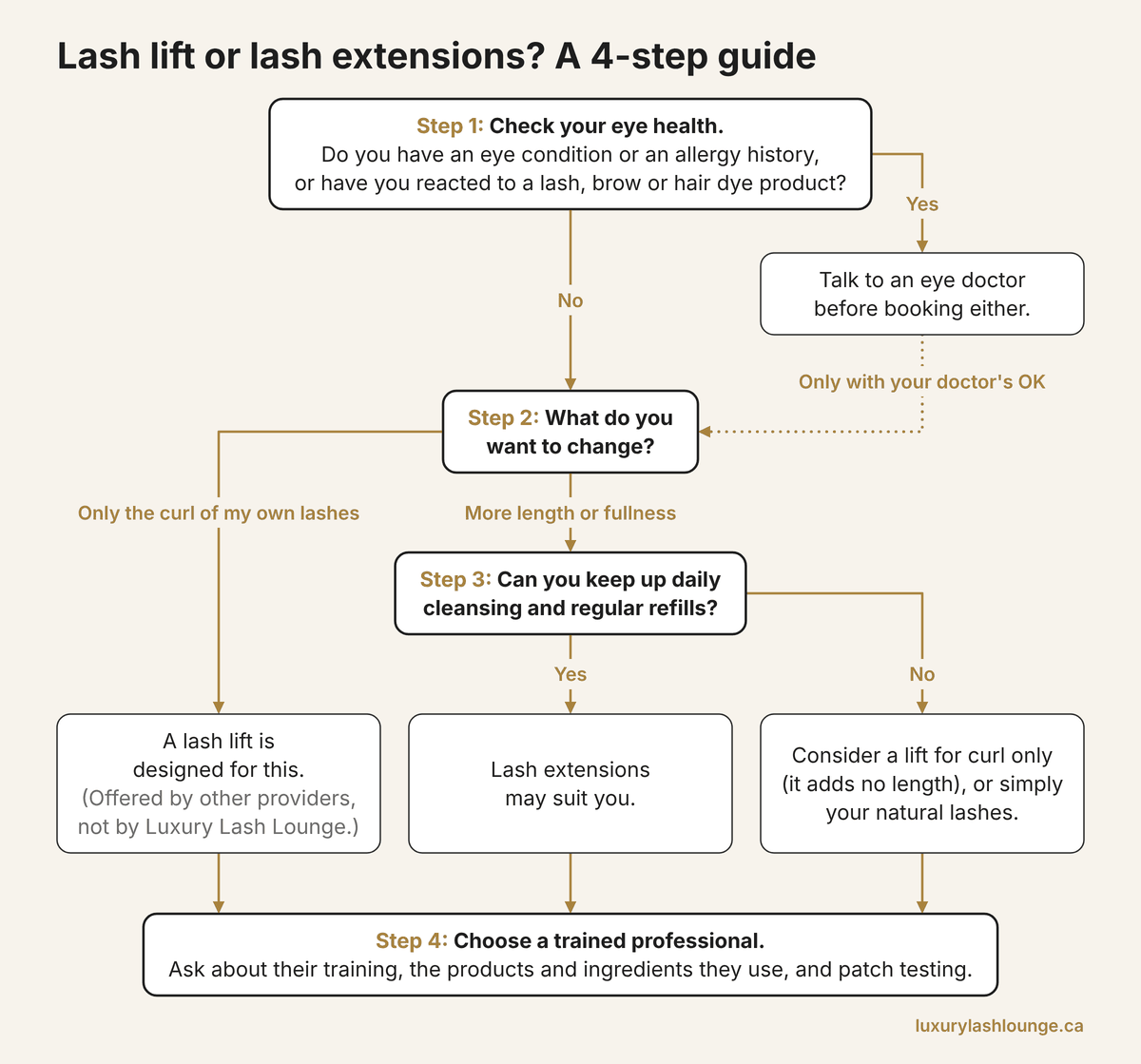
- Check your eye health first. With an eye condition, an allergy history or a past reaction to a lash, brow or hair dye product, talk to an eye doctor before booking either.
- Decide what you want to change. If you want more length or fullness than your own lashes have, only extensions add it. If you only want your own lashes to curl upward, a lift is designed for that.
- Be honest about upkeep. Extensions need daily cleansing and regular refills. If that won't fit your routine, consider a lift, which adds curl but no length or fullness, or simply your natural lashes.
- Choose a trained professional. For either treatment, ask about their training, the products and ingredients they use, and patch testing.
Can you get both, or switch from one to the other?
You can switch between the two over time, but we found no reliable guidance on combining them or on how long to wait in between. Ask a trained professional to assess your natural lashes before you switch.
Moving from extensions to a lift. Have your extensions removed professionally first, because professional removal is the safest way to take them off. At our studio, lash extension removal is $20, including sets done by another lash tech.
Please don't try to dissolve extensions at home with professional products. Our Eyelash Extension Cream Remover is for trained professionals, and its product page is clear: "It is not for clients to use at home."
Moving from a lift or tint to extensions. Tell your lash tech about any recent lift or tint and when you had it, so they can assess your lashes. We don't give a waiting time, because we couldn't find a reliable source for one.
Having both at once. We know of no reliable research on applying extensions over lifted lashes. Both use products near the eye, and the AAO notes that sensitivities can develop with repeated exposure. This is a decision for a trained professional who can see your lashes.
Where we stand
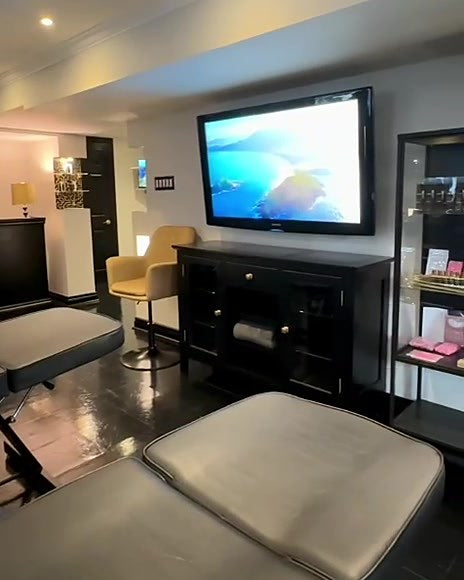
We are a lash extension studio, and we would rather be clear about what we don't do. Luxury Lash Lounge is a private, appointment-only studio at 118 Pioneer Ln, Woodbridge, in the City of Vaughan.
We offer hybrid, volume and mega volume sets, refills, removals and patch tests. We don't offer lash lifts, lash tints or classic sets. If a lift sounds right for you, choose a trained provider and ask about their products and patch testing.
If extensions suit you better, book an appointment by text or call at 647-533-7202, by Instagram DM to @luxurylashlounge, by email or through the website form. We need 24 hours' notice to cancel an appointment.
Lash lift vs lash extensions FAQ
Is a lash lift better than extensions?
Neither is better for everyone. A lift curls the lashes you already have, so it suits people who like their natural length and fullness.
Extensions add fibres, so they suit people who want more length, fullness or a defined style and can keep up daily cleansing and refills. Start with what you want to change, then check the safety points for each.
What is safer, eyelash extensions or a lash lift?
Neither is risk-free, and we found no study comparing the two directly. Lifts and tints involve an adhesive, a chemical lotion and sometimes a dye near the eye.
Extensions involve a cyanoacrylate glue that Health Canada says must be sold for professional use only. The safer choice is the one done by a trained professional who knows your allergy and eye history.
Which lasts longer, a lash lift or lash extensions?
The AAO says lift results last about six to eight weeks. It says extensions typically last three to four weeks, falling off as your natural lashes shed.
Extensions can be kept full with refills; at our studio, a refill needs at least 40% of your extensions remaining. Our guide to how long lash extensions last explains refill timing.
Is a lash lift healthier than curling your lashes?
Neither is "healthier" in a medical sense; they carry different risks. A lift uses an adhesive and a chemical lotion near the eye, and the AAO notes people can develop sensitivities with repeated exposure.
Curling uses pressure or heat rather than chemicals. The AAO's cautions focus on heated curlers, which can make lashes fall out or damage the skin or eyes if too hot. It also advises being careful not to pull too hard on the lashes.
Is a lash lift better than mascara?
It depends on what you want: a lift curls your own lashes for weeks, while mascara adds colour and definition for a day. The AAO advises removing all eye makeup, especially mascara, at night. If you wear extensions, read our guide to mascara on lash extensions first.
Are lash extensions out of style in 2026?
We couldn't find reliable data on lash trends, so we won't claim one either way. Style is personal, and extensions aren't one look.
Hybrid sets look fuller than natural lashes without the bold, dark look of volume; volume and mega volume sets are denser and more dramatic. If you prefer your own lashes, a lift keeps them.
Does a lash lift and tint look like lash extensions?
Not quite. The AAO says a tint makes lashes appear thicker, darker and fuller, and a lift turns them upward. Both work only with the lashes you have.
Extensions add fibres, so they can add length and density your natural lashes don't have. If length is what you want, extensions are the option that adds it.
Can I get a lash lift if I have reacted to lash glue?
Not automatically. A lift isn't adhesive-free: the AAO says lashes are held on the silicone shield with adhesive.
In a single UK case published as a conference abstract in 2026, one woman's reaction after a lift and tint was linked to three kinds of allergen, including (meth)acrylates the authors tied to eyelash adhesive, fixing and laminating products. Ask for the full ingredient list, ask about patch testing, and check with your doctor first. Our lash glue allergy guide explains more.
Can you get a lash lift and lash extensions at the same time?
We found no reliable guidance on combining them, so we won't give a rule or a waiting time. Both use products near the eye, and the AAO notes people can develop sensitivities with repeated exposure.
If you are considering it, ask a trained professional to assess your natural lashes first. Tell them about every recent lift, tint or set.
Do you offer lash lifts or lash tints?
No. Our Woodbridge studio offers hybrid, volume and mega volume lash extensions, plus refills, removals and patch tests. We don't offer lash lifts, lash tints or classic sets.
If a lift suits you, look for a trained provider and ask about their products. If extensions suit you better, contact us by text, call, Instagram DM, email or the website form.
About the author
Alessia Simonetta is the owner, master lash artist and certified lash trainer at Luxury Lash Lounge in Woodbridge (Vaughan), Ontario. She has been lashing since 2018 and holds five certifications: Classic Lash Artist, Hybrid Lash Artist, Volume Lash Artist, Mega Volume Artist and Certified Lash Trainer.
She has worked with thousands of lash clients and trained hundreds of students. Learn about her 1-on-1 lash training, or book lash extensions in Woodbridge.
Sources
- American Academy of Ophthalmology. "Know the Risks of Eyebrow and Eyelash Enhancement." Celia Vimont; reviewed by Rebecca J Taylor, MD. December 11, 2019. https://www.aao.org/eye-health/news/eyebrow-eyelash-coloring-could-harm-your-vision
- American Academy of Ophthalmology. "Eyelash Extension Facts and Safety." Reena Mukamal; reviewed by Rebecca J Taylor, MD. February 23, 2018. https://www.aao.org/eye-health/tips-prevention/eyelash-extension-facts-safety
- American Academy of Ophthalmology. "How To Use Cosmetics Safely Around Your Eyes." Dan Gudgel; reviewed by Rebecca J Taylor, MD. October 27, 2026. https://www.aao.org/eye-health/glasses-contacts/eye-makeup
- EyeWiki, American Academy of Ophthalmology. "Eyelash Extensions." Reviewed May 10, 2026. https://eyewiki.aao.org/Eyelash_Extensions
- Health Canada. "Eye cosmetics." https://www.canada.ca/en/health-canada/services/cosmetics/eye-cosmetics.html
- Health Canada. "Cosmetic Ingredient Hotlist." Date modified 2025-08-13. https://www.canada.ca/en/health-canada/services/consumer-product-safety/cosmetics/cosmetic-ingredient-hotlist-prohibited-restricted-ingredients/hotlist.html
- U.S. Food and Drug Administration. "Eye Cosmetic Safety." Content current as of June 28, 2022. https://www.fda.gov/cosmetics/cosmetic-products/eye-cosmetic-safety
- Hamilton Hunter A, Soriano LF. "CD19 'The eyes have it': lash lift dermatitis due to triple cosmetic allergen sensitization to para-phenylenediamine, thioglycolates and (meth)acrylates." British Journal of Dermatology. 2026;195(Supplement 1):ljag086.344. Conference abstract, 106th Annual Meeting of the British Association of Dermatologists; single case, UK. doi:10.1093/bjd/ljag086.344. https://academic.oup.com/bjd/article/195/Supplement_1/ljag086.344/8718502
- Masud M, Moshirfar M, Shah TJ, Gomez AT, Avila MR, Ronquillo YC. "Eyelid Cosmetic Enhancements and Their Associated Ocular Adverse Effects." Medical Hypothesis, Discovery and Innovation in Ophthalmology. 2019;8(2):96-103. https://www.mehdijournal.com/index.php/mehdiophthalmol/article/view/705
- Gracé J, Connor DE, Day RO, Bucknall MP, Jenner A, Kocic D, Exner T, Parsi K. "Formaldehyde is released from cyanoacrylate adhesives used in venous occlusion systems." Phlebology. 2026;41(9):797-807. doi:10.1177/02683555261416665. PubMed 41544622. https://pubmed.ncbi.nlm.nih.gov/41544622/